The need to support students who are experiencing trauma or stress is at least one factor wearing teachers out.
The need to ensure the safety of students can isolate schools and prevent them accessing specialist services for students that free up teachers to teach.
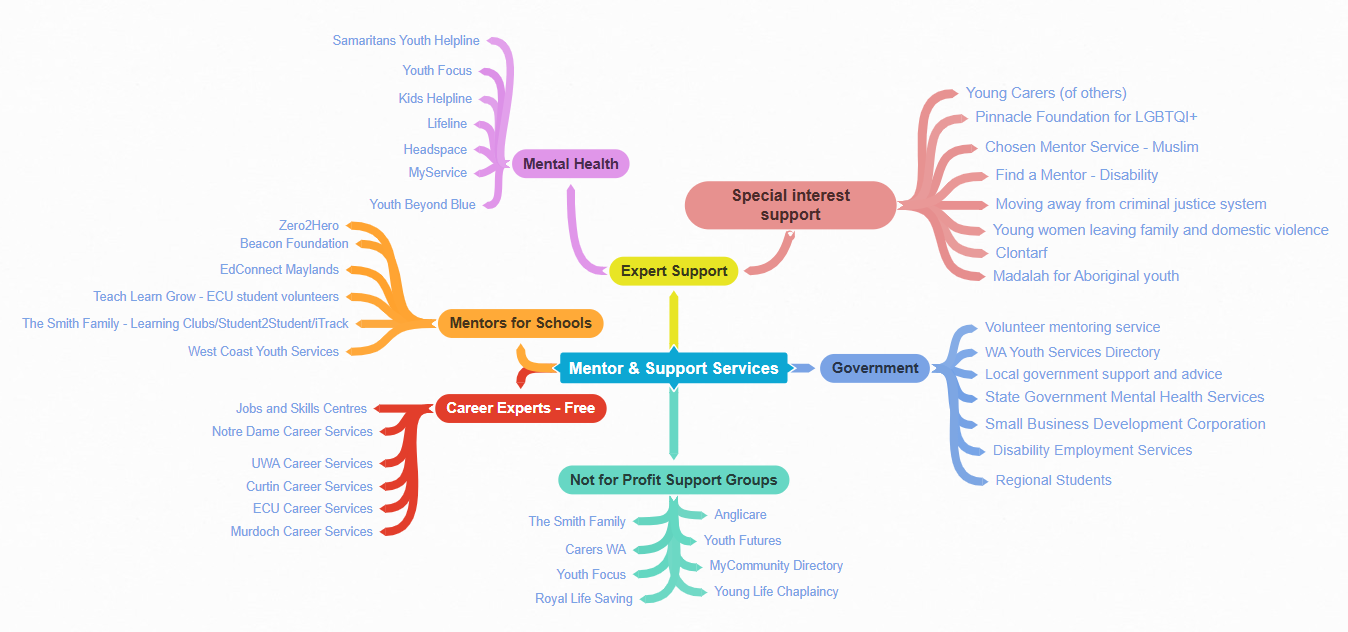
Formal arrangements, with stakeholders who meet government safety requirements, can provide expert advice and free up teachers for the already complex task of educating.
I found these services that can engage with schools to deliver services in addition to teaching
Sending a new apprentice to Bunnings for a can of striped paint.
Forcing new employees to clean work toilets with a toothbrush.
Telling the new employee to drink goldfish water.
Just a bit of fun
Bosses laughed at these workplace initiation rituals which were designed to humiliate new workers. They were seen as “Just a bit of fun”.
Laughing at the new workers’ humiliation shows poor leadership and flags a shitty work environment.
These “fun” pranks are called “psychosocial hazards” and they can impact on the physical and mental health of workers.
Psychosocial hazards include:
bullying
excessive work demands, and
poor leadership practices
It just got harder to ignore, overlook or explain away psychological hazards as “just a bit of fun”.
New Code to create great workplaces
There is a new Code of Practice called Psychosocial Hazards in the Workplace Code of Practice published by the WA Occupational Safety and Health Commission to support changes to the WA Occupational Safety and Health Act.
Implications for School Students
Work Experience
Doing work experience or work placements is usually pretty safe. Any organisation that is willing to volunteer to support your school has their heart in the right place.
School based traineeships and apprenticeships
Students doing school based traineeships and apprenticeships may be more at risk as they are in the workplace longer and may be in workplaces where there aren’t many people.
Part time work
Part time workers are most at risk. Young part time workers have low status in the workplace and are vulnerable to being treated badly.
Get to know the Code of Practiceso that you know what your rights are. Part time workers are usually not members of a union so they can’t relay on support if they are treated badly. The Code of Practiceis designed to support you and other vulnerable workers and you don’t need to be a union member to get this protection.
There will be workplace procedures set up so that employees have someone to talk to about bad work practices. Workplace inductions will need to make sure that new workers are aware of how to make a complaint.
There will need to be plans to eliminate toxic work practices.
Hopefully support for young FIFO workers will improve, women will face less harassment in mining sites and isolated workplaces will need to be safe for all workers.
Danielle Kabilio told me about these changes when we were having a coffee last week. She is a Psychosocial Coach at Careers West and is helping workplaces to put in new systems and managing grievances that must be addressed under this Code of Conduct.
She sent in information and links for me to pass on.
Subscribe to In Focus Careers News to discover career opportunities in Western Australia